
Case Study: Waiting
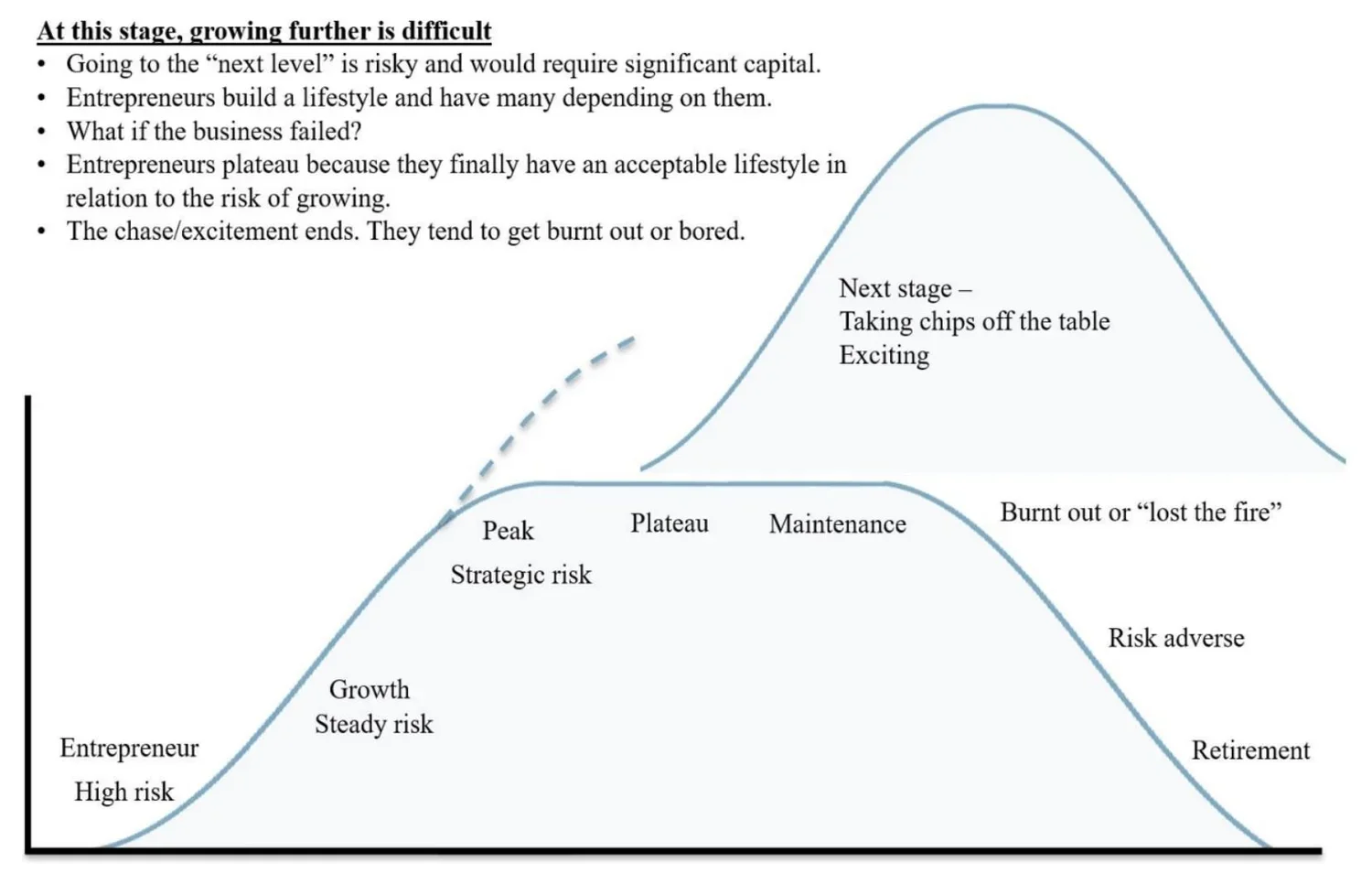
From Startup to Success - Jason Reynolds always wanted to be his own boss. After a decade in the automotive industry, he decided to take a leap and start his own manufacturing company, Reynolds Industrial Plastics, in 1998. His company specialized in producing custom plastic components for medical devices, a niche market with strong demand.
The early years were grueling. Jason learned to manage cash flow, hire reliable employees, and navigate the complexities of supply chains. Over time, he refined operations, secured key contracts, and positioned the company as a leader in its space. By 2018, Reynolds Industrial Plastics had reached its peak with $6 million in revenue and $950,000 in EBITDA. Jason also purchased the facility his business operated from, which further strengthened his financial position.
A Comfortable Plateau - For several years, the company remained strong, but growth stalled. Jason wasn’t concerned; after all, the business was still highly profitable. He continued reinvesting, taking out loans for new equipment that wasn’t essential but seemed like a good long-term investment. What Jason didn’t realize was… READ MORE HERE
Case Study: Negotiation
The successful completion of any negotiation is built on trust and flexibility. When you sell a business, it's not just about the purchase price. It’s about the handoff, the team, the customers, the systems, and the story you’ve built. Ironically, some sellers unknowingly sabotage themselves by pushing too hard at the negotiation table, alienating great buyers, slowing momentum, and compromising the sale. Buyers are skeptical, nervous, and often put up significant capital to buy a business. They want a fair deal negotiated through trust.
Over-Negotiating: What Sellers Risk - Most sellers want three things: a strong price, a smooth close, and a buyer who can carry on their legacy. However, when a seller fixates on winning every detail, those goals become harder to reach. Buyers react by raising their guard, leading them to negotiate harder.
The $1M Mistake - Mike owned a highly profitable commercial plumbing company specializing in multi-family and hospitality projects. Once on the market, a private equity buyer came in with capital, industry experience, and was ready to move quickly. They offered… READ MORE HERE
Case Study: Absentee
If you own a successful business, chances are you’ve built it with sweat equity. You know your customers, your team, your vendors — because you’ve worn every hat. That’s normal. That’s how great businesses are built. But when it comes time to sell, how involved you are in the day-to-day will have a significant impact on value, buyer interest, and deal structure. Let’s look at two nearly identical service businesses and how differently the market responded.
West Side Business: The Owner Is the Business
This business brings in just over $4.1 million in annual revenue and generates $700,000 in discretionary cash flow. On paper, it’s healthy and profitable… But the owner works 60 hours a week.
He handles all customer relationships, quoting, scheduling, purchasing, oversees bookkeeping, and steps in to address employee issues as needed. The team exists, but they defer to him for every decision. He hasn’t taken a real vacation in years, because when he’s out, the business slows down — or stalls altogether.
From a buyer’s point of view, this is… READ MORE HERE
Case Study: Deal Team 101
Selling a business is more than just finding a buyer. It is about setting up a process that protects your interests, avoids costly delays, and helps you walk away with the most money possible. And that all starts with having the right team around you. Here's what can go wrong without the right professionals, and how the right team can make all the difference.
The Legal Bottleneck
We recently advised on the sale of a business valued at around $1 million. Everything lined up: clean financials, a motivated seller, and a strong buyer. But the deal stalled quickly.
The buyer had hired an attorney who usually handles deals in the $50 million and up range. Instead of tailoring his approach to this smaller deal, he used a lengthy, high-complexity contract template meant for large corporate M&A. The legal back-and-forth dragged out for over two months, redlines kept piling up, and attorney fees climbed much higher than they should have. Everyone involved grew frustrated.
What went wrong? The legal work was… READ MORE HERE
Case Study: Selling to Someone You Know
Selling to Someone You Know: Why Familiarity Is One of the Biggest Risks in a Business Sale
Every week, a business owner tells us some version of the same thing: "I already have a buyer." Sometimes it's a longtime employee who's been hinting for years. Sometimes it's a customer, vendor, or family friend who reached out after hearing the owner was thinking about retiring. The owner figures it'll be simple. No need for a formal process, no need for outside help. Two people who trust each other, working it out on their own.
What actually happens is almost always more complicated.
A Tale of Two Deals
The Loyal Employee
A manufacturing company owner in San Diego had a shop foreman who'd been with him for 14 years. Great guy, knew the operation inside and out, and had made it clear he wanted to buy the business someday. When the owner decided it was time to sell, the foreman seemed like the obvious choice. They shook hands, the owner agreed to… READ MORE HERE